
Elevate your next facility and keep your members coming back for more.
The fitness industry is evolving at a rapid pace, with new trends in 2025 emerging to meet the changing needs of gym-goers. As a result, today’s fitness enthusiasts expect more than a workout. They want experiences that challenge, inspire, and improve their overall well-being.
Moreover, the integration of cutting-edge technology and the rise of holistic wellness are transforming the gym experience. Members now have more personalized and effective ways to reach their goals, while facilities adapt to support both physical and mental health.
In this article, we highlight five of the most impactful fitness trends reshaping the industry. By embracing these shifts,facility owners can elevate their offerings and build stronger, lasting member loyalty.
1. Gamified Fitness
Boost Member Engagement with Game-Based Workouts
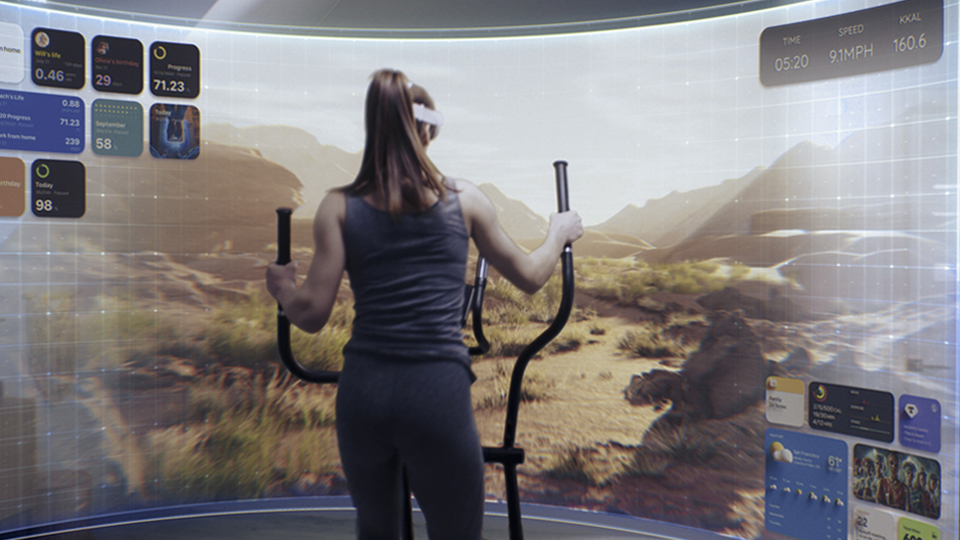
Gamified fitness brings game mechanics into workouts to boost motivation and engagement. This trend uses fitness technology to turn exercise routines into interactive and competitive challenges.
Through these experiences, users feel a sense of competition and achievement. As a result, workouts become more enjoyable and members are more likely to stay committed to their goals.
Why it matters?
Gamification transforms routines into dynamic challenges, making workouts a more rewarding experience. It introduces elements of play and competition, which increase engagement and motivation.
How to implement gamified fitness in your gym
Interactive fitness equipment with built—in games
Companies like Exergame Fitness offer a range of interactive fitness equipment, such as active floor games, wall games, and gaming bikes, that incorporate gamification to make workouts more engaging and fun.
App-based challenges and rewards systems
Gamification in fitness apps, such as leaderboards and point systems, can significantly boost user engagement and motivation to hit their goals in addition to fostering friendly competition.
Virtual reality fitness experiences
ICAROS provides virtual reality fitness experiences that combine gaming and physical exercise to create immersive high-energy workout experiences that feel more like play than work.
2. Holistic Wellbeing
Promote Mind-Body Balance in Your Gym
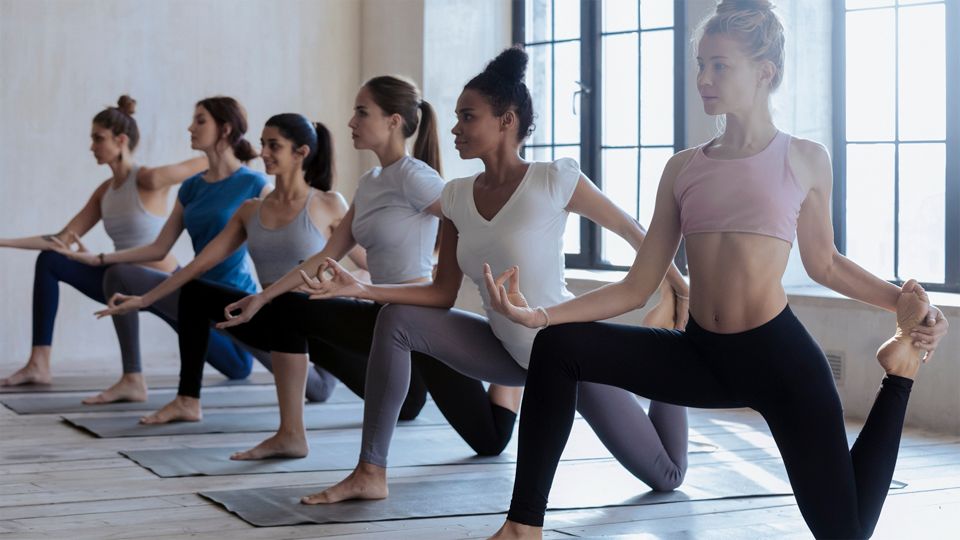
The rise of holistic fitness emphasizes the link between physical exercise and mental well-being. This trend combines workouts with mindfulness practices such as yoga and meditation to promote overall health.
As more members focus on mental wellness, gyms are introducing programs that balance both mind and body. This approach helps people reduce stress, improve focus, and enhance well-being, making it a growing priority for fitness centers.
Why it matters?
Modern members are seeking fitness solutions that balance physical training with mental wellness practices. This creates opportunities for gyms to offer mind-body fusion experiences, including stress-reduction programs and meditation spaces.
By adding these holistic options, facilities can stand out, attract diverse members, and improve retention.
How to implement holistic wellbeing in your gym
Dedicated spaces for meditation and yoga
Designing dedicated spaces Integrating yoga and meditation into workout routines can enhance mental wellness and reduce stress.
Stress—reduction programs alongside traditional workouts
Offering programs that combine physical exercise with stress—reduction techniques such as combining yoga and fitness can appeal to members seeking holistic health benefits and mental well-being.
Biofeedback—enabled equipment for mindfulness training
Investing in biofeedback devices that promote mindfulness during workouts can help members monitor their stress levels and improve mental focus during workouts.
3. Adaptive Fitness
Create an Inclusive Gym Environment for All Abilities
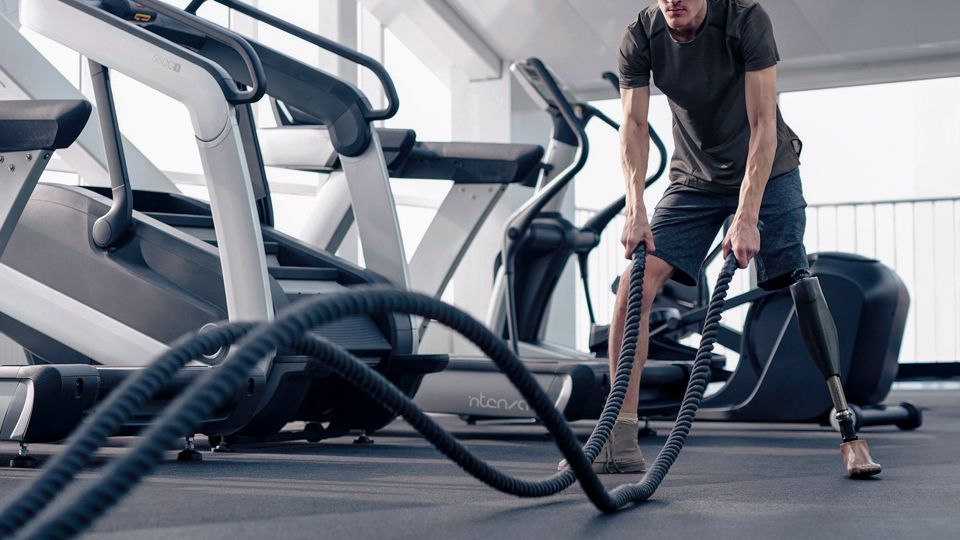
Adaptive fitness is designed to be inclusive, offering workout options for people with different physical abilities. Through specialized equipment or tailored programs, it ensures that everyone can access the benefits of physical activity.
As a result, more gyms are adopting adaptive fitness equipment to create spaces that are accessible, diverse, and welcoming to all.
Why it matters?
Inclusive fitness programs for all abilities promote inclusivity by catering to people of all abilities, creating a welcoming environment as well as expanding your gym’s market reach enhancing member satisfaction.
How to implement adaptive fitness in your gym
Accessible equipment designs
Intenza’s Escalate Stairclimber is designed with inclusivity in mind. Its adjustable step height™ makes stair climbing accessible to users of different fitness levels and mobility needs, offering both a safe and customizable experience. By adapting to individual ability, the Escalate helps ensure that more members can engage in effective cardio training.
Specialised training for staff on adaptive fitness
Training staff to understand and support adaptive fitness can ensure that all members feel welcome and accommodated.
Partnerships with organizations supporting people with disabilities
Collaborating with organizations that support individuals with disabilities can enhance the inclusivity of your fitness programs.
4. Metabolic Health Focus
Focus on Long-Term Wellness with Targeted Programs
Metabolic health is gaining attention as fitness shifts toward long-term wellness. Members are increasingly looking for solutions that improve overall health rather than only short-term results.
This trend focuses on addressing the root causes of many common health issues by improving metabolism through targeted fitness and nutrition programs. Gyms can combine metabolic testing, personalized nutrition plans, and workouts that blend cardio with strength training to help members optimize health and longevity. In turn, fitness becomes directly aligned with long-term wellness goals.

Why it matters?
Metabolic health programs integrate testing and personalized plans to deliver measurable results. By focusing on both fitness and nutrition, gyms can help members achieve sustainable improvements, prevent chronic health issues, and unlock long-term benefits that go beyond appearance or performance.
How to implement metabolic health focus in your gym
Offering metabolic testing services
Implementing metabolic testing can help members understand their metabolic health and tailor their fitness/workout plans accordingly.
Nutrition coaching integrated with fitness plans
Providing nutrition coaching alongside fitness programs can optimize metabolic health and overall wellness.
Equipment and classes focusing on both cardio and strength training
Combining cardio and strength training in fitness programs can significantly improve metabolic health.
5. AI—Powered Personal Training
Use Technology for Customised Workouts
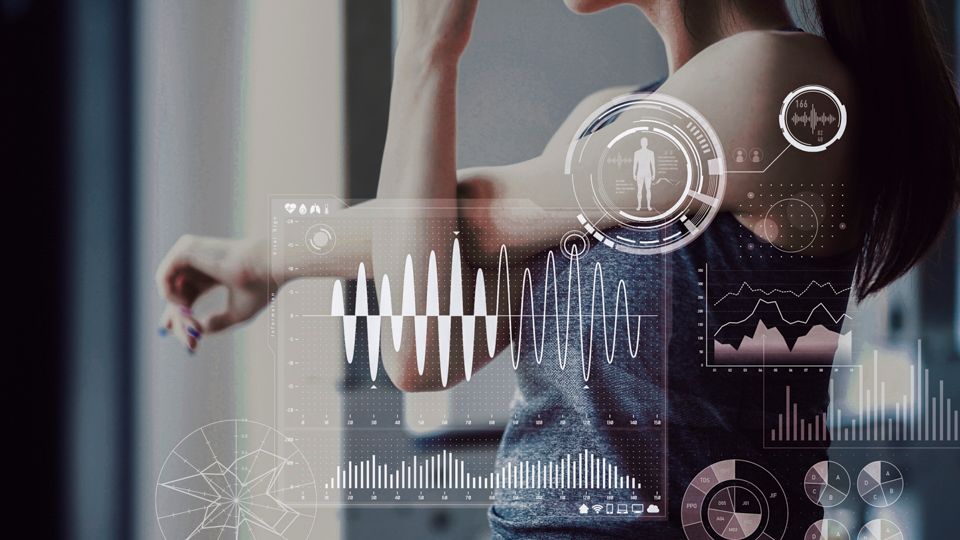
AI-powered personal training uses artificial intelligence to create customized workout plans and provide real-time feedback. Apps can recommend exercises based on fitness level, while smart gym equipment adapts to each user’s progress.
As a result, AI makes personalized training more accessible and scalable. This trend is transforming the personal training experience by delivering greater customization at a lower cost.
Why it matters?
Artificial intelligence (AI) powered workout plans for personal training enable gyms to provide personalized training at scale, offering members individualized guidance without needing one-on-one time with a trainer. Using AI-powered fitness solutions can revolutionize personal training by offering tailored workout plans, virtual trainers, and adaptive equipment, enhancing member experience and retention.
How to implement AI in your gym
AI—driven workout recommendation systems
Fitness apps like Fitbod and FitnessAI use machine learning to create personalized workout plans based on individual goals and fitness levels.
AI—powered gym equipment
Gym equipment that adapts workouts in real-time to match the user’s progress, performance and needs all from the comfort.
Virtual AI trainers
Leveraging virtual AI trainers can provide remote coaching and fitness advice, making AI-powered personal training more accessible, scalable and cost effective.
Conclusion
The gym experience in 2025 is evolving, driven by trends that emphasize personalization, inclusivity, and fitness technology. By incorporating these five trends—gamified fitness, holistic wellness, adaptive fitness, metabolic health programs, and AI-powered personal training—your facility can stay ahead of the curve and keep members engaged and motivated. Staying attuned to these shifts will not only help you elevate your offerings but also increase gym member retention fostering long—term member loyalty in an increasingly competitive fitness landscape.